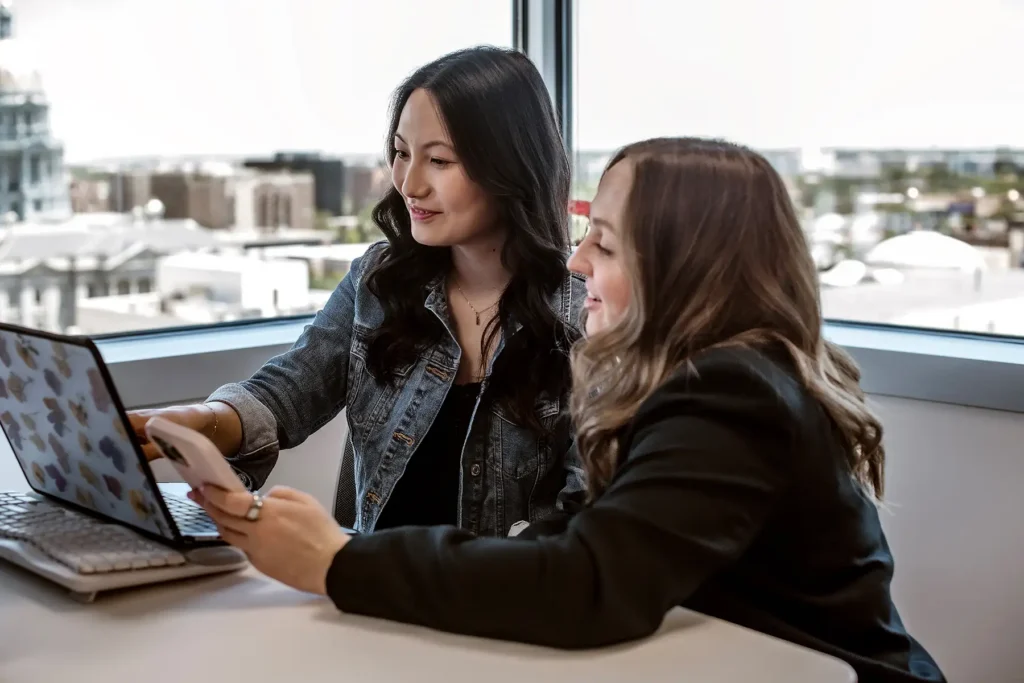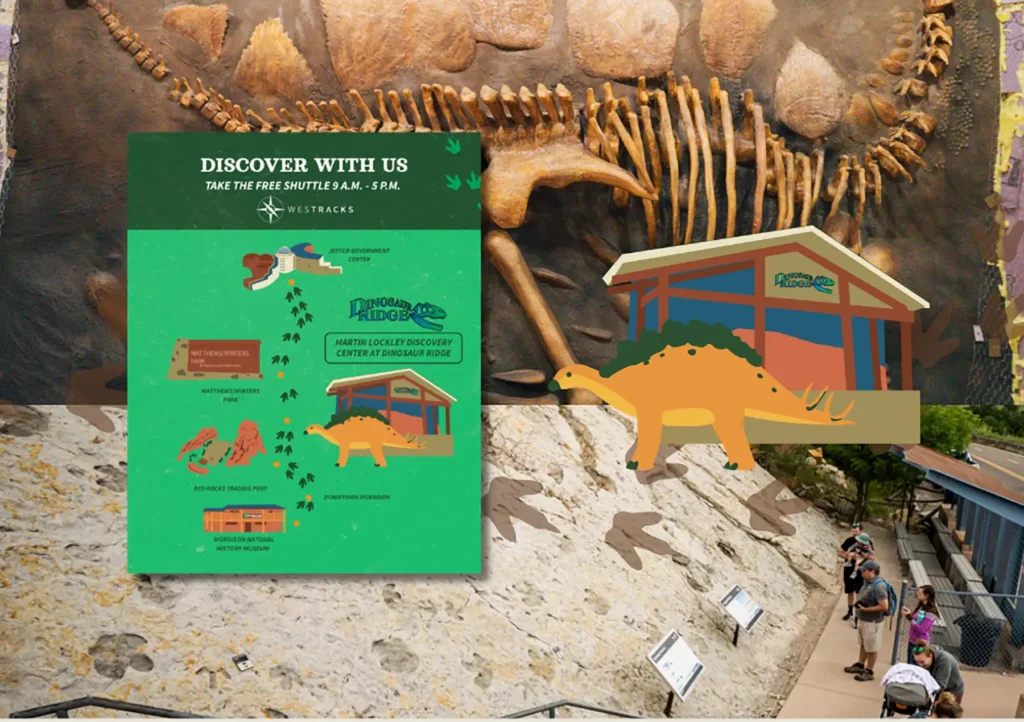
Which image was created with AI?
Click the image you think is AI-generated.
Which image was created with AI?
Click the image you think is AI-generated.
Which image was created with AI?
Click the image you think is AI-generated.
Which image was created with AI?
Click the image you think is AI-generated.
Which image was created with AI?
Click the image you think is AI-generated.
Your score
Could you tell the difference between the AI-generated images and stock photographs made by a human? While many might brag they can tell every time, studies suggest that AI-generated images are getting better, more realistic and harder to identify based on human judgment alone. Perhaps because of this, not knowing where an image comes from can create suspicion. For our nonprofit clients, whose financial well-being often depends on being viewed as trustworthy stewards of our dollars, authenticity matters. That doesn’t mean AI has no place in the creative process, but it does mean organizations should be thoughtful about when it adds value and when it introduces unnecessary risk.
Some AI imagery is unmistakable – the too-perfect skin, the wide smiles, the perfectly composed mix of ages, races and genders, all bathed in golden-hour natural lighting. When something is known to be AI-generated, it can be dismissed as novelty, laziness or poor taste. As an agency, we’ve seen requests specifically for human-created imagery, following public backlash against AI-based campaigns. Even as AI continues to improve, the disclosure of how an image is made alone can change the perception of its goodness. In other words, the issue isn’t always whether audiences can spot AI; it’s how they feel once they learn that AI was used.
For nonprofits especially, imagery often plays an important role in demonstrating genuine community impact. As graphic designers, we quietly rejoice when a nonprofit has the luxury of a photo bank showing its actual clients, programs and volunteers. We advocate for authentic imagery whenever possible because it is literal evidence of programs at work. It creates a conversation with the audience and helps build trust by showing real people and real emotional connections. When an organization uses imagery that doesn’t feel authentic, whether AI-generated or not, it can leave audiences feeling betrayed or questioning the story behind it.
So what’s a nonprofit to do? Some organizations work with children who can’t provide consent for media releases. Others serve people whose safety or privacy could be put at risk by publishing their likeness. And many simply don’t have the budget for professional photography or enough events and activities to continually source new photos. Before you head to ChatGPT, we think it’s worth getting creative in finding imagery that still tells the story.
Try one of these:
-
- Get creative with cropping: Zooming in on hands, materials, or details can effectively convey your point without showing faces.
- Name a point person: Sometimes it’s as simple as designating a person to be the unofficial photographer. Cell phone photos work fine for most digital applications, but check your resolution before you use them for print.
- Get graphic: Use icons, data visualizations or typography to create visual interest instead of relying on photography.
- Be strategic with stock: Be selective about what stock imagery you choose, and try adding words like “candid” into your search terms. Most stock sites also offer a way to filter out AI-based content.
- Focus on feeling: Maybe a vibe is all you need – try sourcing imagery without people that evokes a feeling that accompanies your storytelling.
- Build a bank: Save useful images for later and look for ways to give existing photos new life through cropping, combining or repurposing them in different ways.
There are absolutely cases when AI adds value to our creative process. We tend to use it more as a production tool to extend backgrounds, remove distracting objects, or otherwise improve the composition of photos. At Barefoot, we draw a strong line against using AI imagery to depict something that didn’t happen when it could reasonably be perceived as real. To help mitigate risk at your organization, ask yourself: Would a reasonable person assume this image depicts a real person, place or event? And would it harm our reputation if they later learned how the image was created?
AI is only going to get better at creating images that look real, which means the responsibility increasingly falls on us to decide when passing for real is good enough. For nonprofits, the most powerful imagery feels honest, appropriate and connected to the people and work behind the mission. AI can absolutely be part of the creative toolkit, but it shouldn’t come at the expense of the trust organizations work so hard to build. When in doubt, choose the image that helps your audience believe in the work, not just the one that looks good.